• Practice
    • Awards
    • People
    • Selected Projects
    • Houses
    • Community, Culture & Arts
    • Conservation
    • Education
    • Housing & Masterplanning
    • Workplace
  • Latest
  • Contact
Menu

Cowper Griffith Architects

  • About
    • Practice
    • Awards
    • People
  • Work
    • Selected Projects
    • Houses
    • Community, Culture & Arts
    • Conservation
    • Education
    • Housing & Masterplanning
    • Workplace
  • Latest
  • Contact

Reserved Matters Application Submitted For Rural Development

December 2, 2021

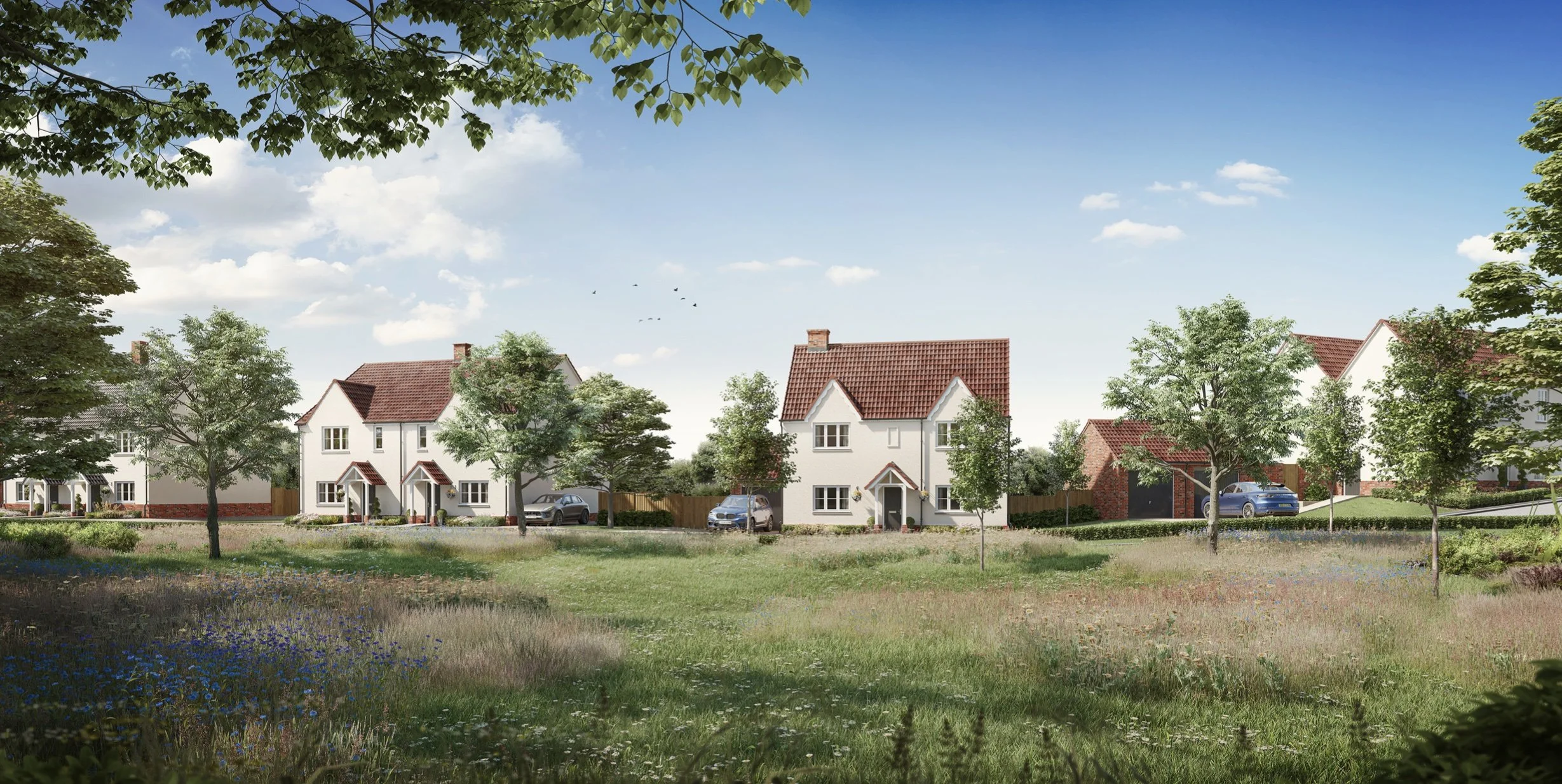
We have recently submitted a Reserved Matters Application for a new residential development in Essex, in conjunction with Hill. The proposals consist of 50 new houses, 20 of which will be made available as affordable housing. The site is located in a rural area, to the south of the village of Finchingfield. The design focuses on a principle of “outward greening” which creates a continuous green buffer zone to the perimeter of the site, to protect views towards and out of the site from the open countryside. Large public green spaces are incorporated, creating attractive walking and cycle routes for both new and existing local residents and air source heat pumps are proposed to every home, providing efficient, renewable energy for residents.
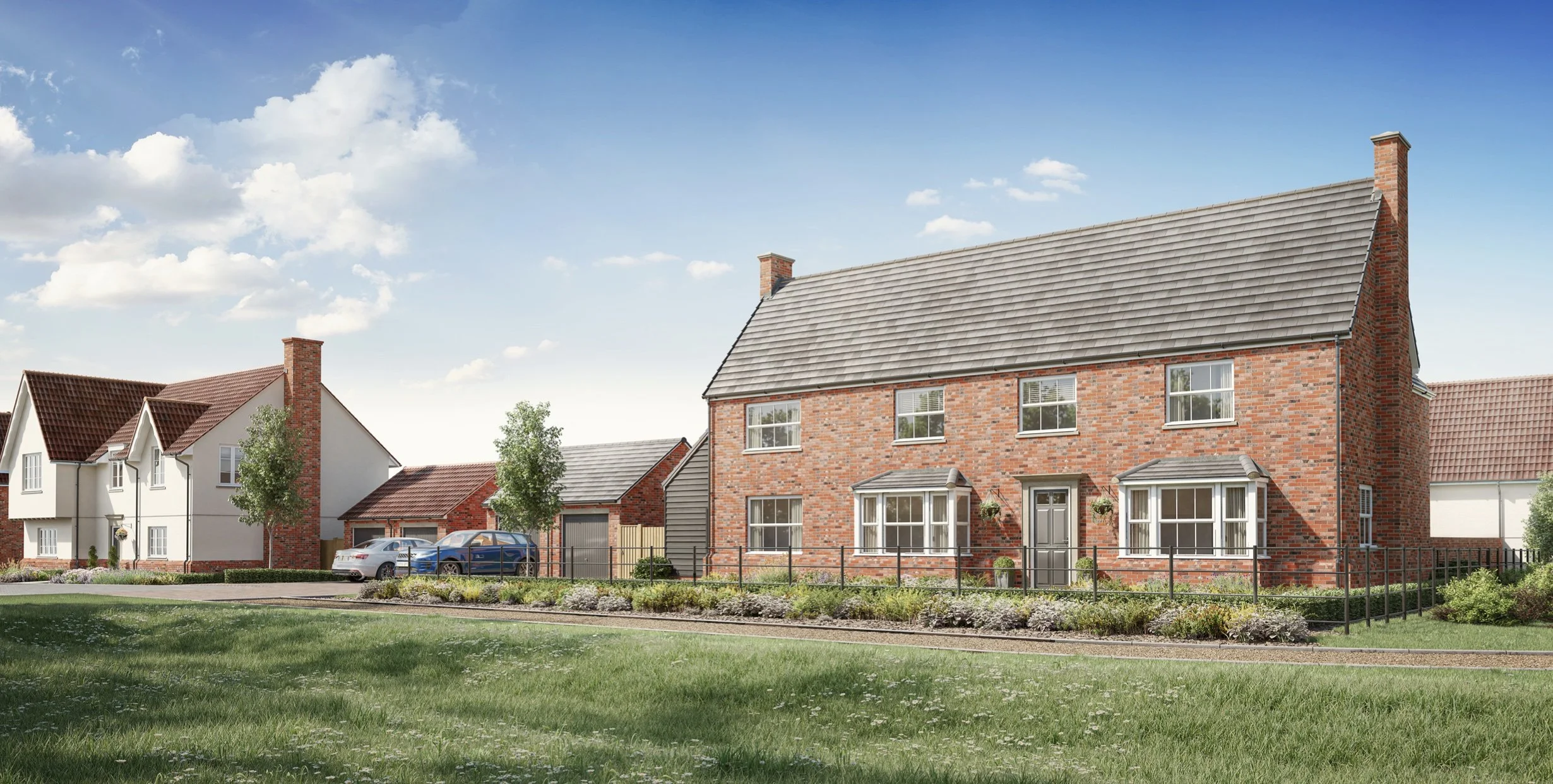
 

The houses have been designed to reflect the diverse character of the adjacent village, providing a low density which leaves lots of space for generous private gardens and the public greens. The design developed alongside frequent consultation with Braintree Council, the local parish councils and through public consultation events both online and in person. This process informed a substantial planting set-back from Bardfield Road, which helps to protect the rural feel of the approach into Finchingfield.


Image Credit: Bradley Dyer Raw

Client / Developer: Hill

Landscape Architects: Guarda Landscape

Planning Consultants: Carter Jonas

Highways Engineer: SDP Consulting Engineers

Marsh Edge House Added To The Website

November 22, 2021

Following on from recent publicity within the RIBA Journal, we have added Marsh Edge House to our website.

The new house replaces an existing house built in the 1950s with a design that is sympathetic to the sensitive site on the edge of the sand dunes that form a part of the protected coastline.

The form of the new house is made of a spiral of wedge shapes in three components. Two wedges oppose one another with one slid along side the other. The high point of each these two main wedge shapes is purposely directed towards the best views with dramatic open salt marshes extending to the sea to the north and in contrast the sheltered patchwork of tamed landscapes to the south. The third wedge is much smaller and skewed apart as it moves away to emphasise the spiral formation.

The living accommodation is elevated to take advantage of the distant views and to keep habitable areas above the flood plain.

The contemporary interior of the house comprises one large living space on the upper level with smaller cellular bedroom accommodation below.

The house incorporates traditional Norfolk materials in an innovative combination of coursed pebbles, weathered timber, structural glass, zinc roofing and high quality joinery.

Contractor: Robson Construction

Lighting Designer: Workplane Lighting

Structural Engineer: CAR ltd

Photography: Peter Cook

Progress at Artist's Studio In Cambridge City Centre

November 16, 2021

Cowper Griffith are currently involved in an exciting project in the arts and culture sector in Cambridge. This involves the substantial refurbishment and extension of an existing house to create artist’s studios in the heart of the city. The complex brief includes the retention of the existing barbers shop at ground floor level, and provision of a caretakers flat in the existing building.


The design uses a distinctive sawtooth roof form to angle large rooflights northwards. This allows constant ambient north light within the studio spaces, which is preferred in studios to avoid UV degradation or fluctuating light levels. The artists areas are concealed behind the street frontage on Cherry Hinton Road, and will be visible from the street as glimpsed views by passers-by. Contemporary materials are used in the extension to create a contrast to the existing Victorian building, including pigmented zinc roofing, grey brick laid with a textured face, and timber batten cladding. A series of spaces with movable partitions are created to allow flexibility for the users to undertake small commissions or to open up their studio to the public for masterclasses or other events. Communal areas are provided to create a sense of community and allow exchange of ideas.


When the project was approved at planning committee, the councillors noted that the project would be a real asset for Cherry Hinton Road, and they were fully supportive of arts spaces being embedded in the city.

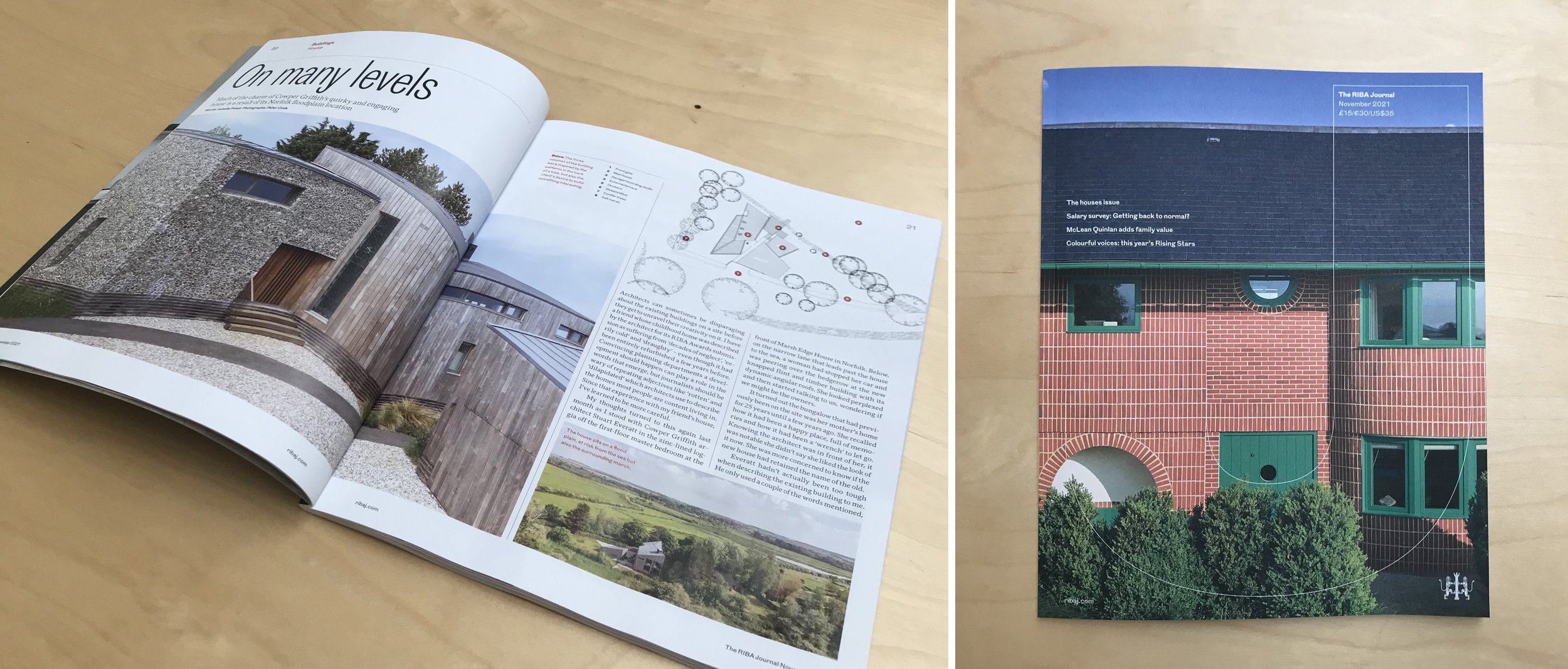
Marsh Edge House Published In The RIBA Journal Houses Issue

November 12, 2021

We’re pleased to announce that our Marsh Edge House project has been published in the 2021 RIBA Journal Houses Issue. The project is one of five residential projects chosen & sits alongside fantastic projects by ROAR Architects, McGinlay Bell, Brown & Brown and David Kohn Architects.

The recently completed Marsh Edge House is set within a beautiful triangular end plot, at the point where the Norfolk Coastal Path and the local bird sanctuary meet. This unique site offers uninterrupted 180-degree views across the North Norfolk coast.

Further Information can be found on our websites project page:

https://www.cowpergriffith.co.uk/houses#/marsh-edge-house/

The project has also recently been featured on;

https://divisare.com/projects/450233-cowper-griffith-architects-peter-cook-marsh-edge-house

https://homeworlddesign.com/marsh-edge-house-cowper-griffith-architects/

Completion of Listed Barn Conversion

November 9, 2021

This once cavernous, curtilage listed, Victorian barn in Cambridgeshire has been converted into a contemporary family home and artist’s studio.


Bedrooms and workshop are located at ground floor, with a full length, double height living and work space at first floor level.


The ever changing play of light across neutral surfaces, historic timbers and pared back, contemporary stained plywood detailing enriches the user experience, and our client’s artworks look magnificent in situ.


Helping to create a successful family home is one of the most satisfying achievements for an architect, and we thank our clients for their patience and good humour throughout  a challenging construction process. The diligent and flexible approach of the Main Contractor, Arnold & Willis, was also key, and we commend them most highly, both for their Construction phase works and their commitment to proper aftercare. A skilled, traditional builder in the best sense.


We look forward to partnering with them on future projects.

Completion of Bespoke Home In Hertfordshire

October 26, 2021

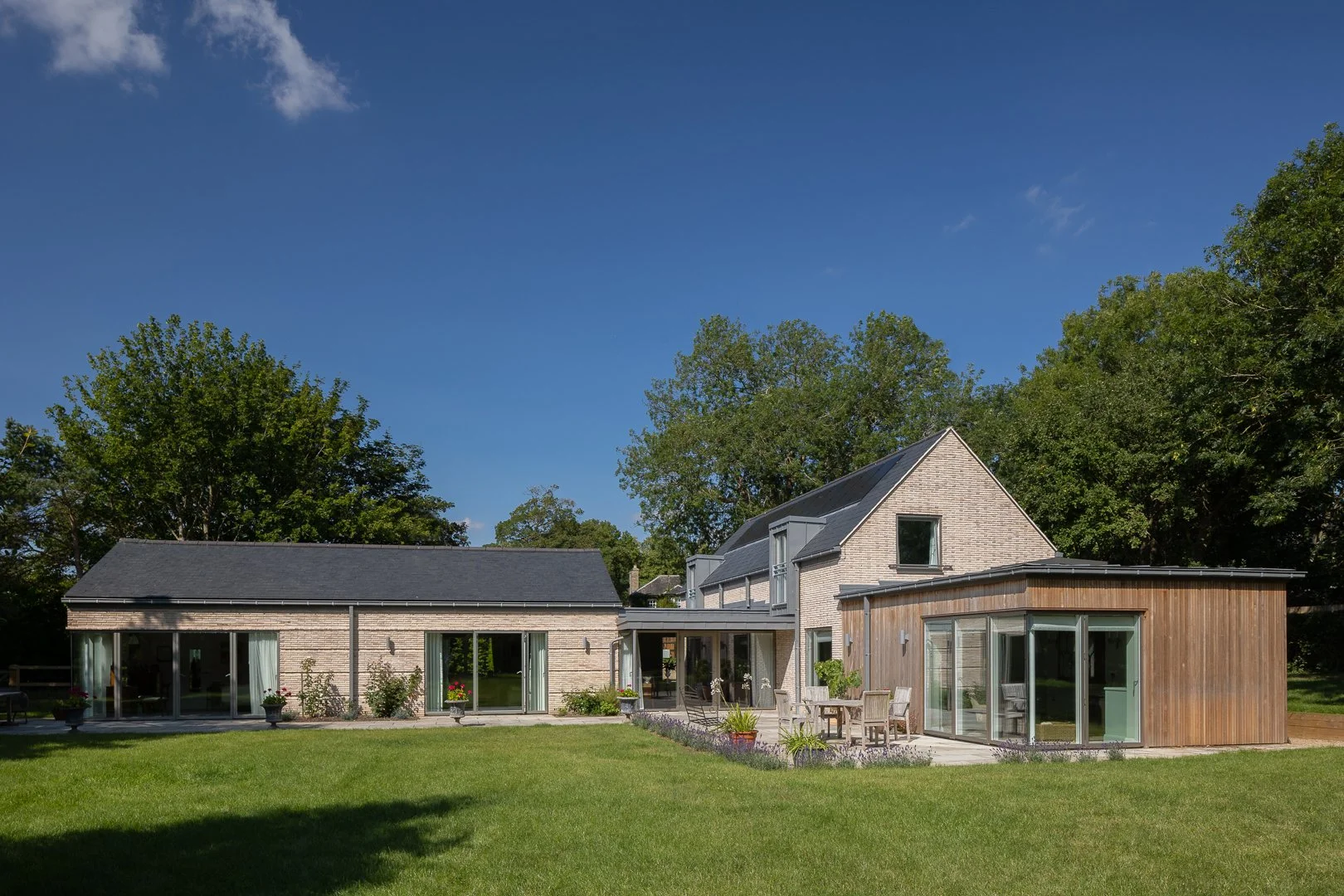
Cowper Griffith have recently completed a bespoke house in Hertfordshire. The new house was designed for a couple who wished to downsize from their family home whilst remaining within the local area. The plot is situated in the former orchard of their previous home.


The design is primarily single storey, with guest rooms at first floor, creating step free access and a flexible arrangement of spaces which are adaptable in the future. The design was conceived as two solid masses, set at right angles to each other and connected by a glazed linking element. A long-format gault brick adds detail and interest to the solid areas, and this is broken up with softwood cladding battens, set vertically to contrast the horizontal emphasis of the masonry. The timber has been left to weather naturally, which will fade to a silver-grey colour over time. A combination of pitched natural slate and flat zinc roofing creates a contemporary feel and also helps to emphasise the different massing elements.


Positioned within the orchard, the design sought to emphasise the close relationship between the house and the surrounding garden. Large floor to ceiling windows and sliding doors create expansive views and a sense of living and sleeping amongst nature. The building is deliberately set low within the landscape to remain subservient to the existing larger house. Views are carefully orientated to ensure there is minimal overlooking to the neighbouring buildings.


Structural Engineer: Andrew Firebrance Partnership

M&E Consultant: Sharman Grimwade

Quantity Surveyor: Sheriff Tiplady

Planning Consultants: Barker Parry

Contractor: PB Doyle

Archaeology: Consultants: Oxford Archaeology

Photography: Simon White Photography


Formwork 2.jpg

Visual Concrete Pour For Bespoke House In North Norfolk

September 30, 2021

It’s an exciting moment at the Burnham Rise house project where the first floor concrete floor slab has recently been cast. The slab will form a special visual concrete ceiling to the ground floor rooms.


Cowper Griffith are working with Norfolk contractor Grocott & Murfit who have battled the unpredictable weather of late to assemble the complex formwork and reinforcement needed for the slab.

The house, which is due for completion next year, is arranged with living spaces at first floor to gain distant views of the coastline.


https://grocottandmurfit.co.uk


Photos by contractor.

CGA_DSC09328.jpg
Coach House

Completion at the Old Coach House

September 21, 2021

Cowper Griffith Architects has recently completed a series of alterations and extensions to a former worker’s cottage at the Coach House in Hertfordshire.

Cowper Griffith were approached in 2018 to reorder the building and create some more space for the evolving family’s lifestyle. The key was to introduce some contrasting spaces that countered the existing small cottage’s proportions. A large open plan living/dining area now leads directly off the kitchen, which is has been relocated to the centre of the house meaning all areas of the living space now have a direct relationship with the garden and views out across the landscape.

Further information can be found within the project page of our website


Photography: Matthew Smith Architectural Photography

Contractor: Bridgeman Construction

Coach House 2
ELWOODPHOTOGRAPHY_BWDLTD_SB _0526.JPG

Completion at the Canal Museum

September 9, 2021

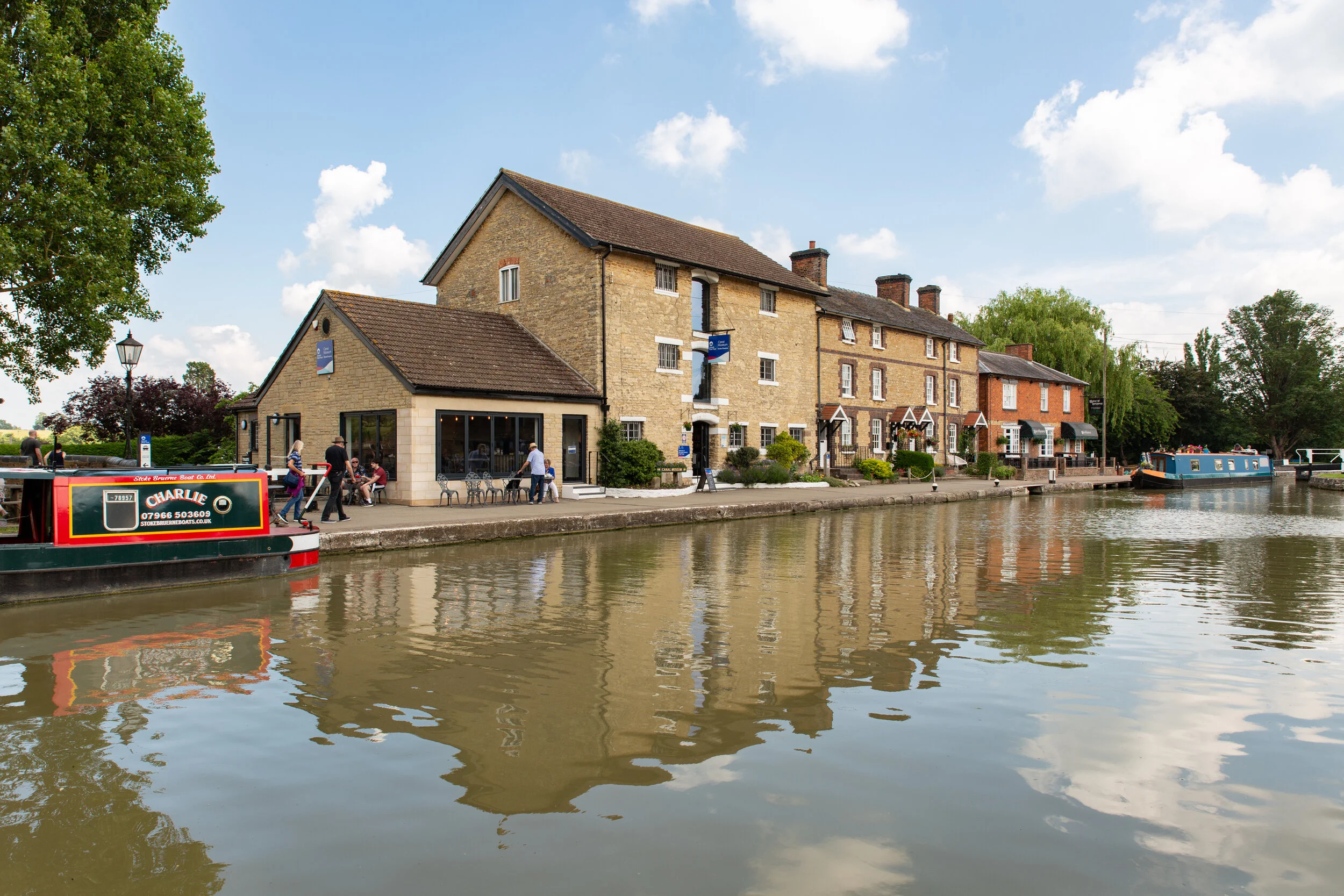
Cowper Griffith Architects has recently completed a series of enhancements and interventions at the Grade II Listed Canal Museum, Stoke Bruerne, which houses part of the Canal & River Trust’s nationally important collection.

This former corn mill, standing on the Grand Union Canal, has brought canal history to life since the early 1960s. 

The new works refresh front of house and café, and reimagine artefact display, whilst sensitively restoring and adapting historic fabric.

 CGA was delighted to collaborate with Beverley Wood Design, The Firebrace Partnership and Sheriff Tiplady to deliver the scheme in conjunction with Main Contractor FK Restoration of Bedford.


Images: El Wood Photography

ELWOODPHOTOGRAPHY_BWDLTD_SB _0313.jpg
Porotherm

Exploring Sustainable Materials In Cambridge

August 6, 2021

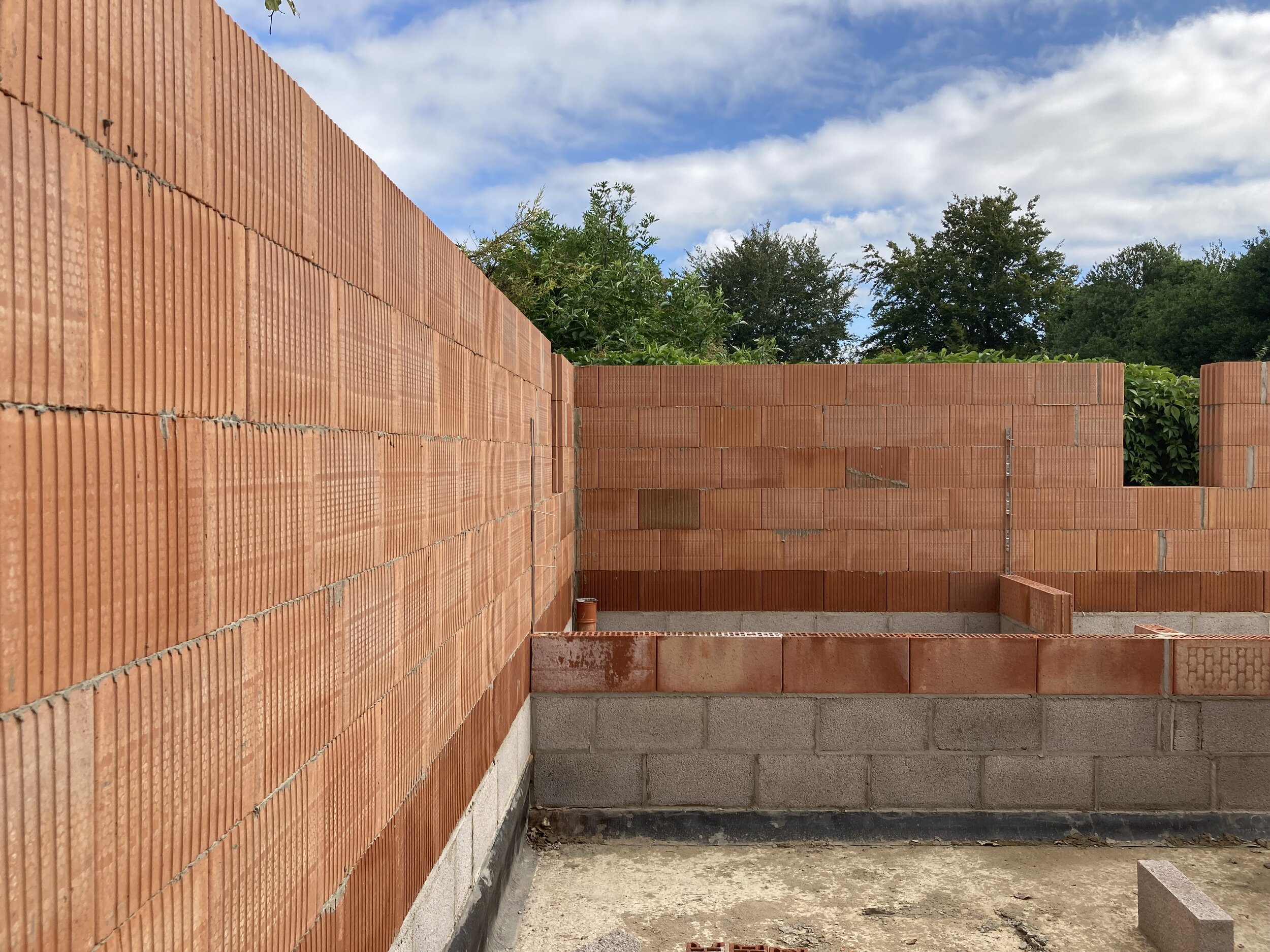
We have been working on designs to replace a fire-damaged house just outside Cambridge. Sustainability was a heart of this project’s brief and from the outset the client wished to use Weinerberger’s “Porotherm” clay blocks for the walls. 

 These are an innovative masonry solution, more commonly used on Continental Europe but growing in popularity in the UK as their benefits are becoming more widely recognised. We are lucky to have experienced installers locally who have been working efficiently under the local main contractor, Godfrey & Hicks.  As a practice we are keen to explore and understand the most sustainable methods of construction and often use Porotherm blocks for their various environmental and practical benefits: 

  • They are lightweight, requiring about 60% less material than traditional brick & block wall. This lighter weight can also offer safety benefits for the workmen who unload and install them, reducing the risk of back injuries or repetitive strain injuries

  • Requiring only a thin 1mm mortar bed between courses, they can be laid much faster than bricks & blocks, using a specialist roller. This also means that the installation process requires substantially less water than traditional 10mm mortar beds, which reduces pressure on the local water supply. This has environmental benefits, particularly in summer months in East Anglia where hosepipe bans are often implemented

  • Extremely durable, requiring little to no maintenance, with an expected building life of over 150 years, and recyclable at the end of life

  • As clay products they are inert, they present no risk to the environment or the end user. Almost all clay blocks are “fired” in an oven to give them their rigidity and strength, but because Porotherm are hollow, these require less energy to produce than other traditional types of bricks and block.

  • They are inherently non-flammable and achieve the best possible fire rating

  • Breathable, allowing vapour and moisture to pass through the wall construction when combined with breathable insulation, preventing risks of condensation and mould which can occur in airtight modern buildings.

  • Excellent thermal properties, reducing the amount of insulation required to meet and exceed building control requirements, and helping to create a stable internal environment year-round.

  • An innovative profile allows the blocks to “lock” together (a bit like Lego!) offering a high level of accuracy and allowing a fast installation

IMG_5609.jpg
← Newer Posts Older Posts →